Running
I began running in 7th grade when I joined an athletic class at school. At my Junior High School, it was normal for all girls to start out in 7th grade in athletics. They wanted a wide pool of people to choose for the teams and watch their progress throughout the year. I had very little experience in sports or exercise. I was a chubby child. Running and sports were difficult for me, and my shame-meter was very high around this area. I didn’t make any of the teams, and so I did “training” with all the other girls who didn’t make the team. I found that I was incredibly not fast, but in endurance running I was able to make progress quickly. I enjoyed the mental part of endurance running, and I was able to eventually keep pace with the other girls. The steady motion and breathwork felt soothing to me.
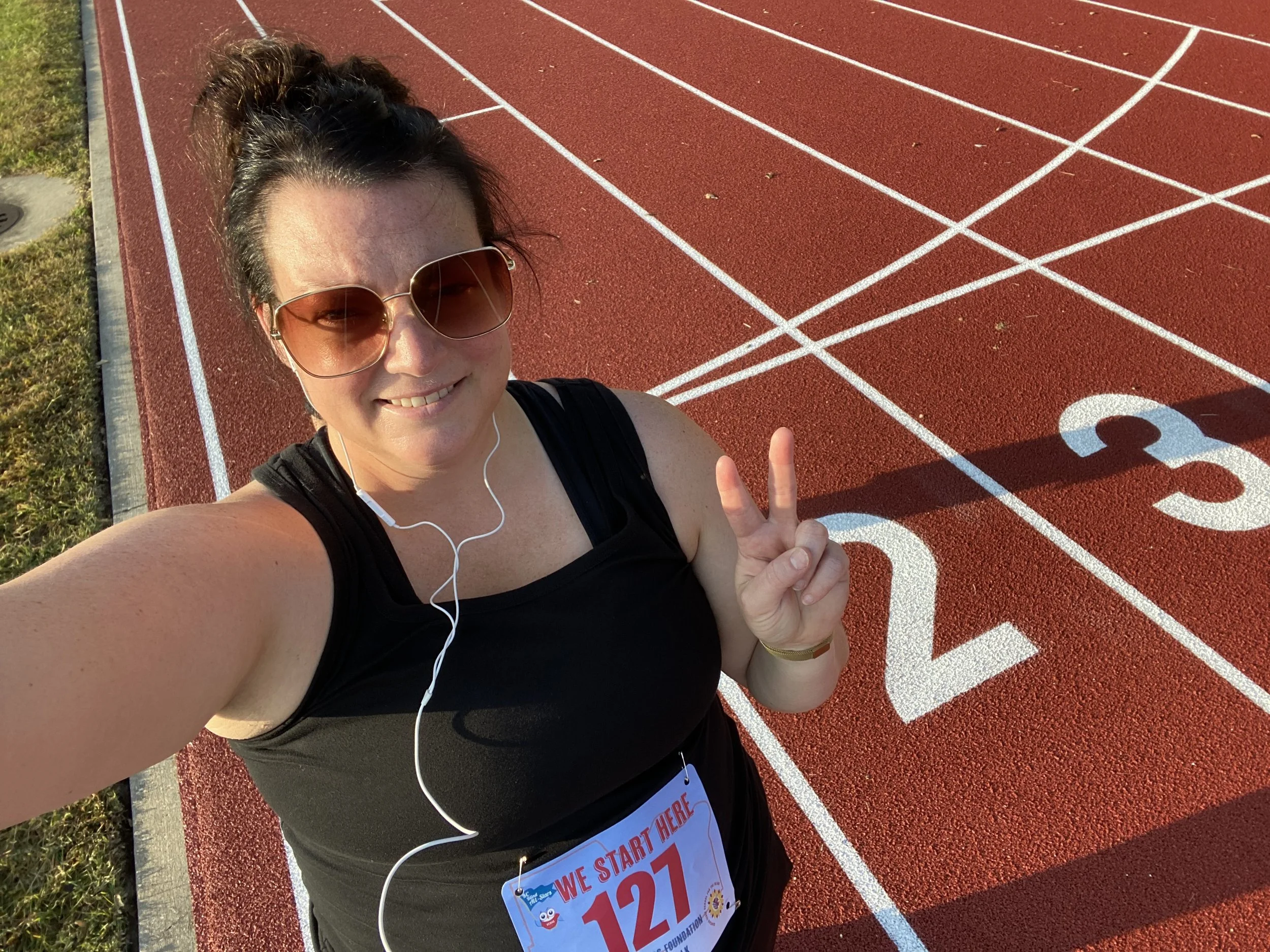
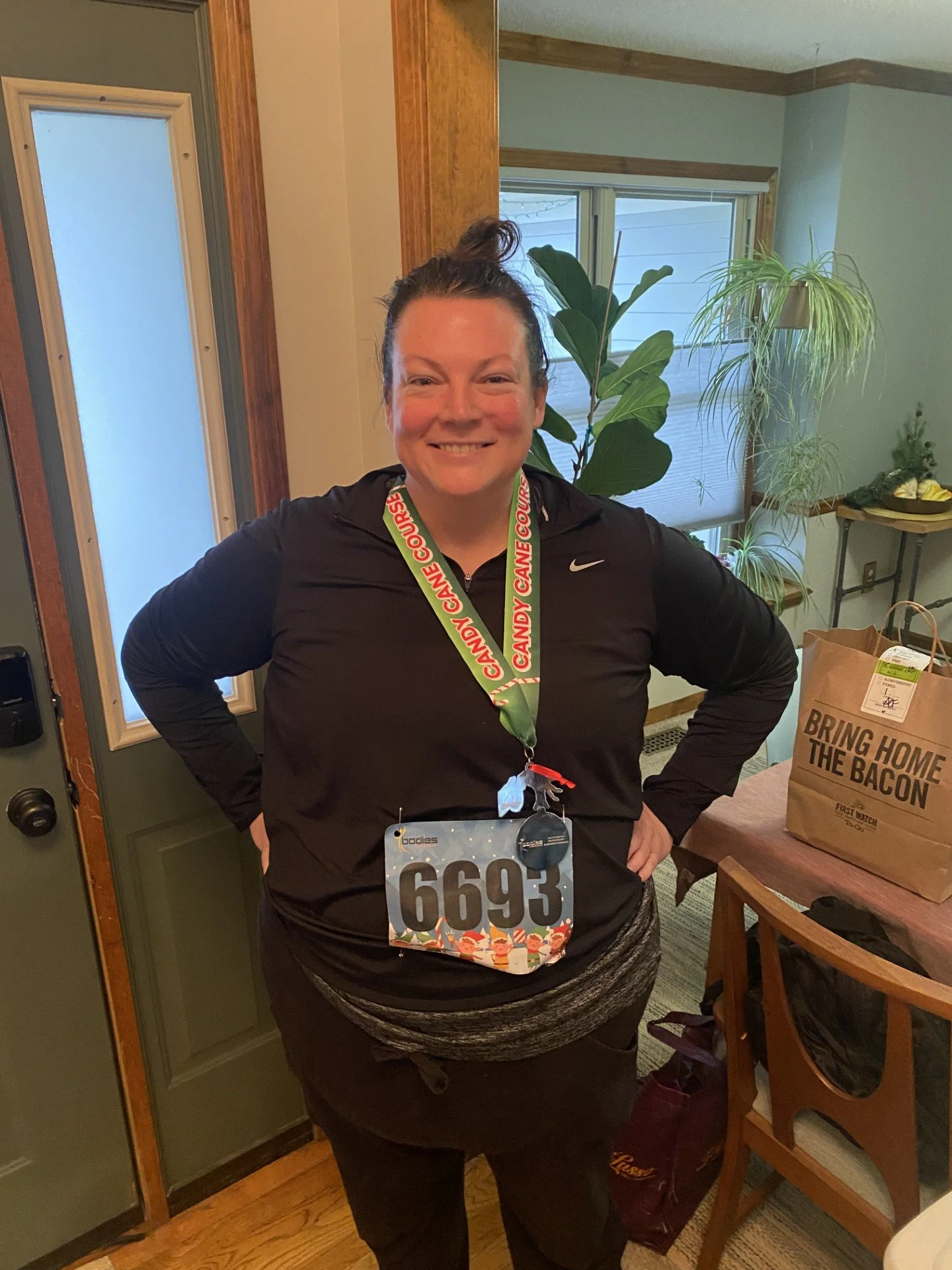
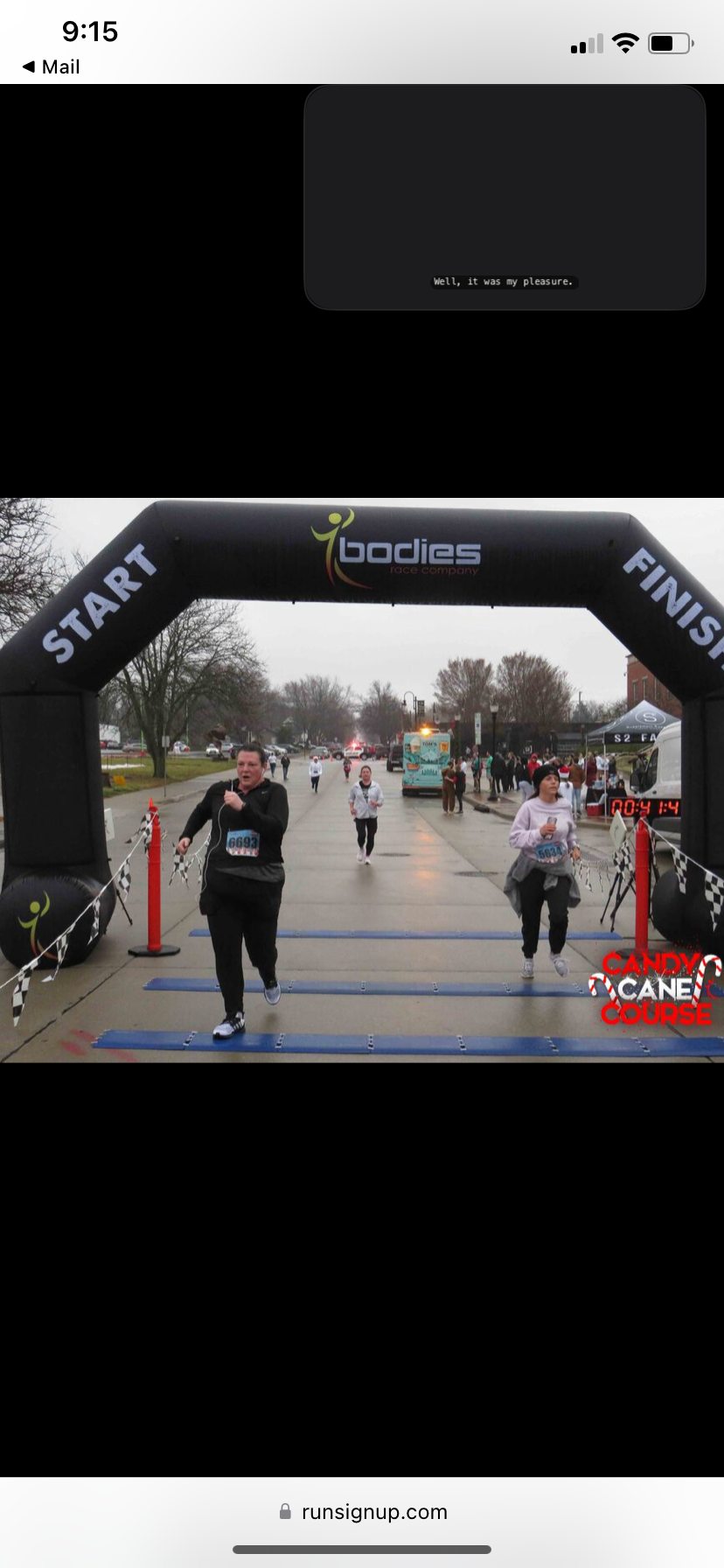
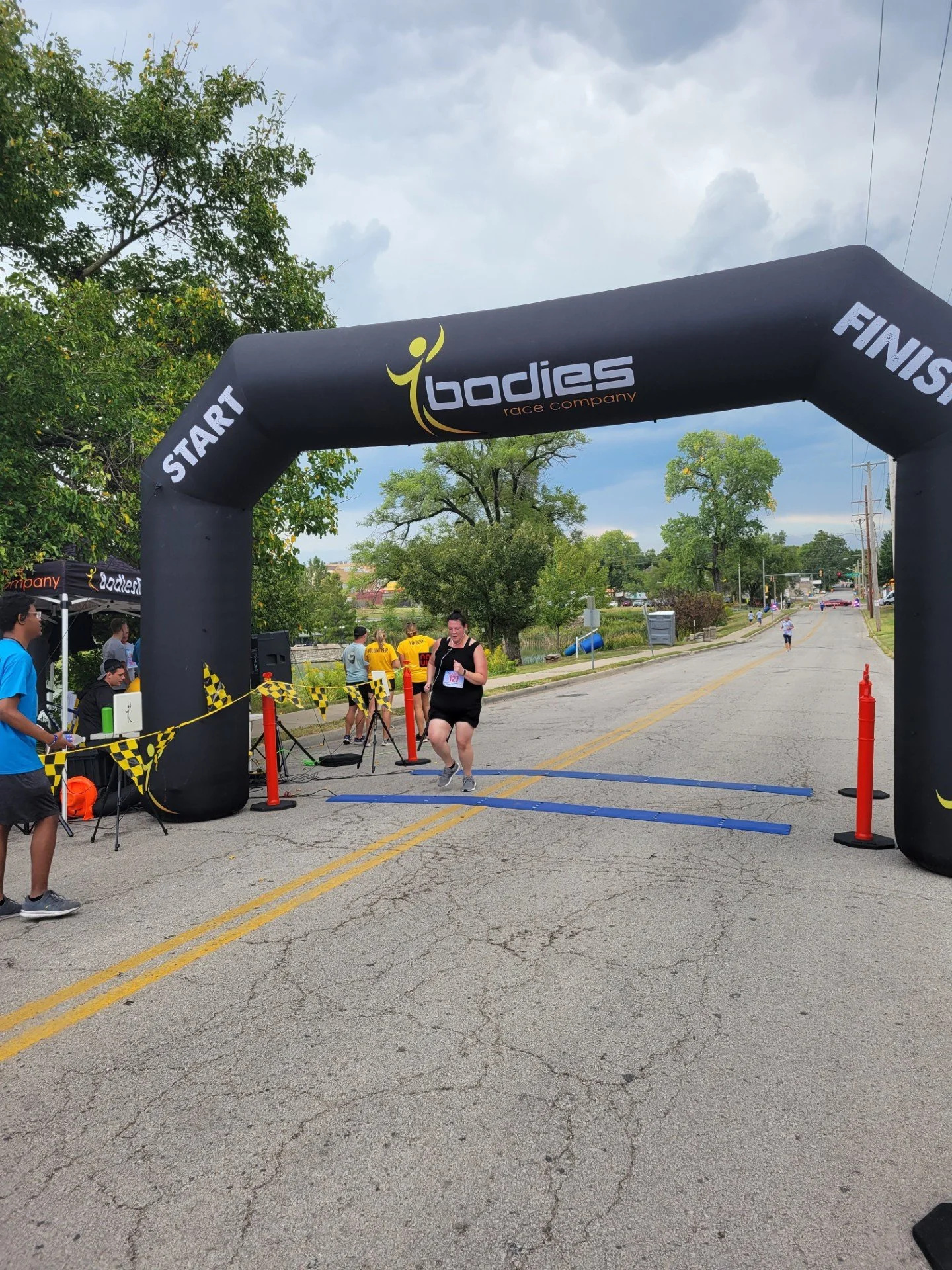
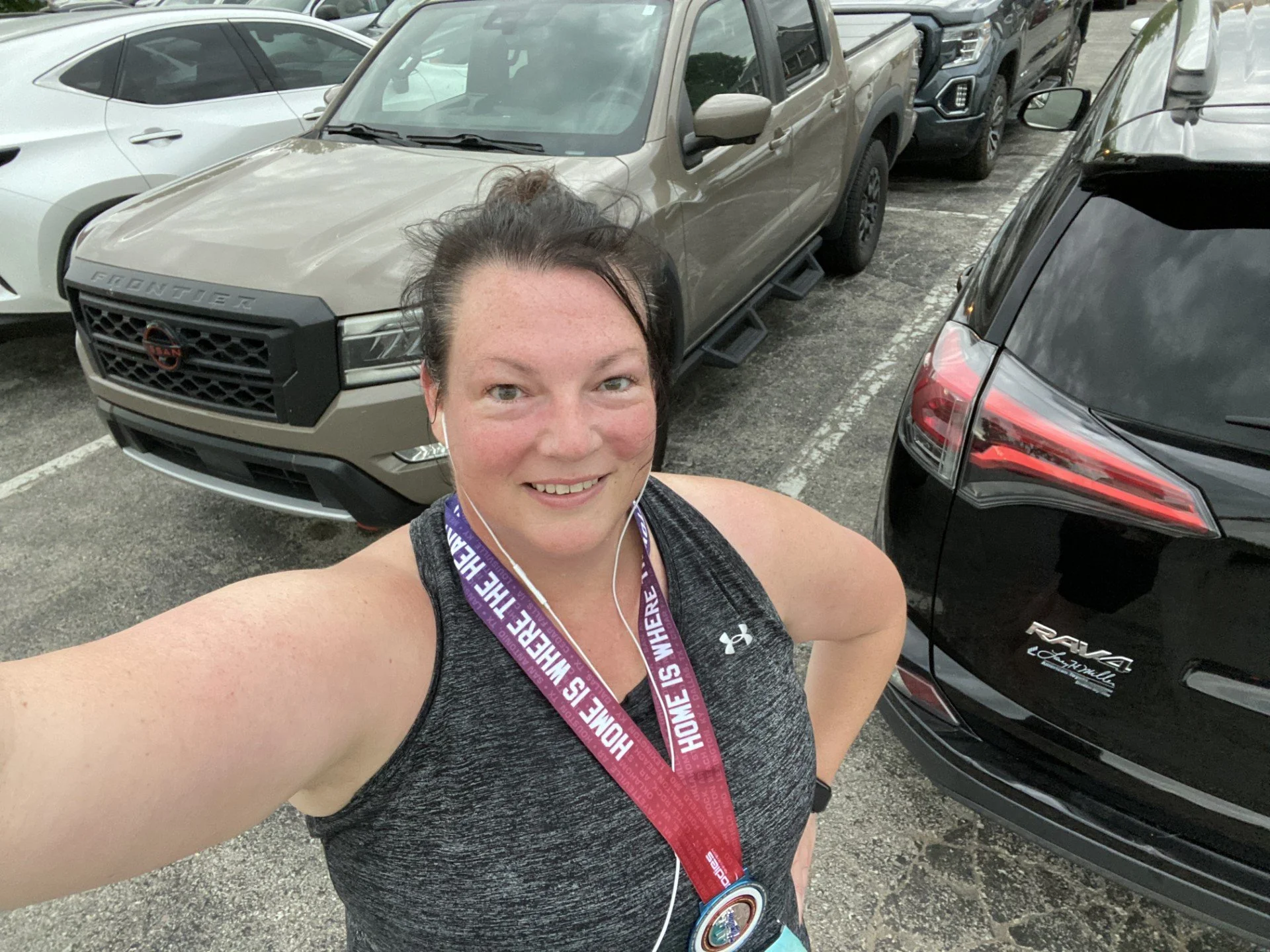
I worked on my physicality, attended sports camps, and by 9th grade, I was able to make all the sports teams at school! I was only on the “B” Team, but this was major progress for me. Speedwork continued to be difficult for me, and I continued to enjoy the longer distances. In college, I ran my first 5k race, and I loved it! I looked forward to the training each day and my body felt so much better with a daily workout routine in place.
When I first got back into running as an adult around age 35, I dealt with a lot of pain. My intense periods caused extreme back pain that lasted 2 to 10 days. I could not get out of bed, much less go for a run. Also my ankle and knee felt very vulnerable. Years of neglecting strength training caused running at my heavy weight to put lots of pressure on my joints. Having a health coach and going to physically therapy saved my life and taught me how to exercise without pain. My health coach helped me understand how to describe the pain to health care professionals, and physical therapy strengthened my back and ankles. Also, as I get stronger my mobility increases in my back.
My health coach also helped me overcome some shame left over from my childhood sports experiences. When trying a workout, if I couldn’t run an entire mile at once I would feel so emotionally depleted and want to give up trying. When going up a steep hill, I wouldn’t let myself slow down because I thought that meant I was weak. I felt shame at needing to slow down for a hill. My health coach helped me work on improvements in smaller ways (adding 30 seconds or a minute to each run instead of trying to run an entire mile). Also, she helped me understand that hills are hard for everyone and everyone slows down when they go up a hill! The point is to keep going. After much progress, I am now able to keep my pace up a hill, but I know it’s ok to listen to my body and slow down. The point is to keep going, not be perfect in execution. Running is such a mental dopamine boost because you can see progress so well each week.
Now running is such a benefit to my mental health. My mood instantly improves if I go for even the shortest run. I am able to feel joy and experience the present moment after running. The endorphins are incredibly addictive!