Debt
Debt happens. As Millennial, sometimes it seems like debt has been and will always be a part of life. The cost of everything has gone up and wages have not kept up. Some debt can be necessary and good. It helps us get where we want to go and succeed in the long term. Student loans can give people a chance at a prosperous career that will change their life trajectory, and mortgages make property ownership attainable for families.
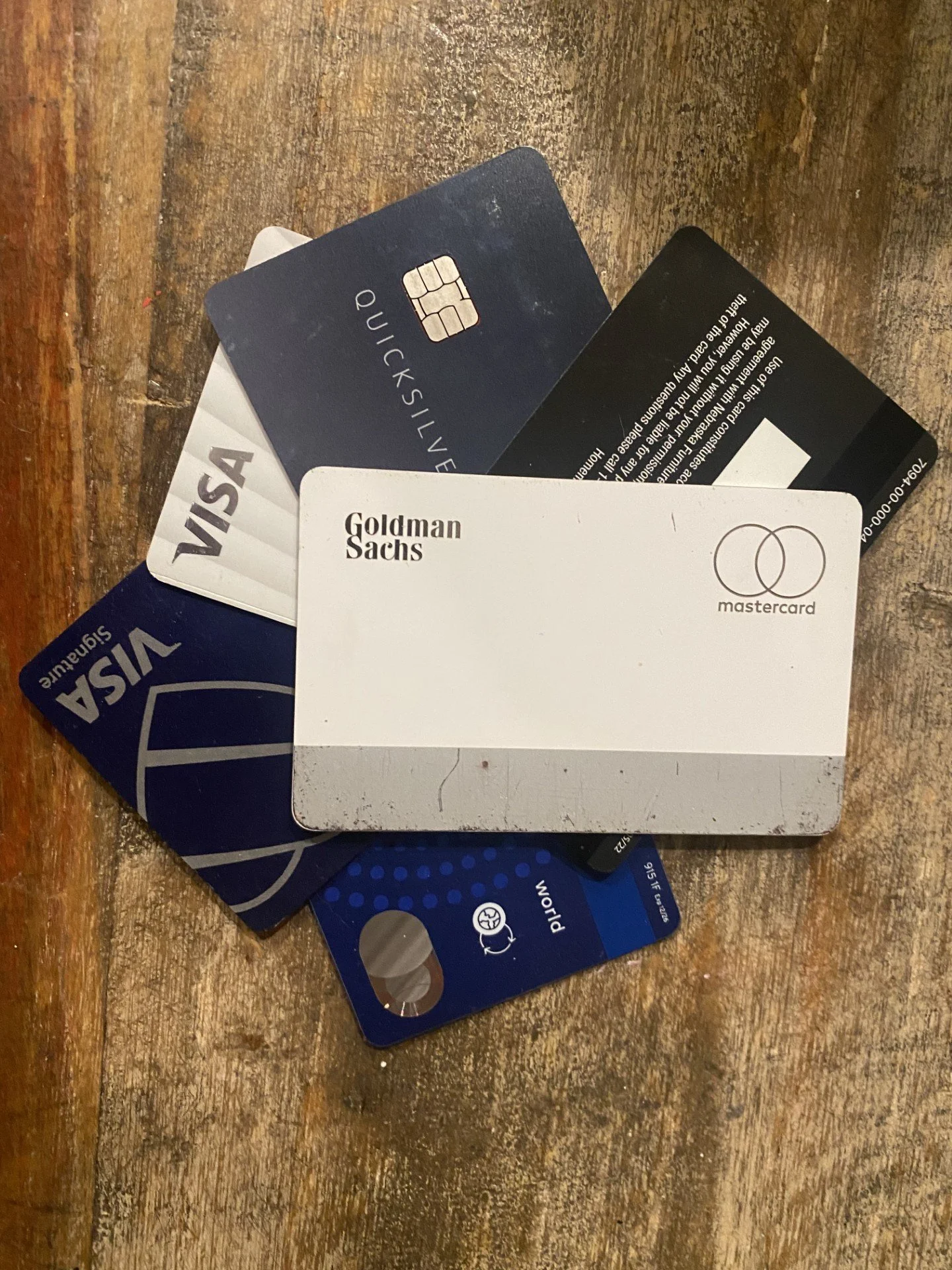
Today we will talk about debt that is not productive, like credit card debt. It steals your income and your peace. I have an up and down history with debt. In college, I used a credit card to help support myself and got in debt. After college, my husband at the time also had credit card debt and a ton of student debt. We budgeted HARD. We never bought anything and ate hotdogs and peanut butter sandwiches. In about 3 years we paid off almost all our debt, which is remarkable. In my thirties, I got a job that was supposed to pay me a lot of commission. I started living richly before the commission came in, and got back in credit card debt. I have paid most of that off, and I should be completely debt-free by the end of 2026. So excited!
Debt is a slippery slope, and very difficult to overcome. Debt steals your income, and prevents you from saving money. Then, when things go wrong (and they always do), you have no safety net, and have to go into MORE debt. It can be scary. Also there are lots of emotions tied to debt. Emotional spending can increase your debt, and shame can make you want to avoid dealing with the problem. I’ve been an avoider in the past. It has taken me years to do the emotional work of understanding my attitude towards money and take a non-emotional approach to managing my debt.
The most successful method of debt repayment I have found is moving chunks of money to no-interest credit cards and paying that off first. This saves me some interest and gives me a hard deadline to work towards. I also post my debt and savings goals in my office so I have to look at them every day. This self-accountability practice has helped curtail shopping sprees and stop ignoring my budget each month. For the no interest credit card, I calculate exactly how much I can pay off within the no-interest time period. I try to be conservative because if you miss the deadline of the no-interest period, you often get charged for all the back interest. For example, if I put $10,000 on a no interest credit and the no-interest period is 1 year, and then I only pay off $8000 then there is $2000 remaining. The next bill, they will charge me interest on $10,000…not $2000. I check my progress as I go, and any extra money I receive (commission, bonuses, birthday, Christmas) gets put on this debt. With this practice, I’ve been able to pay off $20k in one year! Once I’m debt free I’ll have more disposable income available to save and travel.